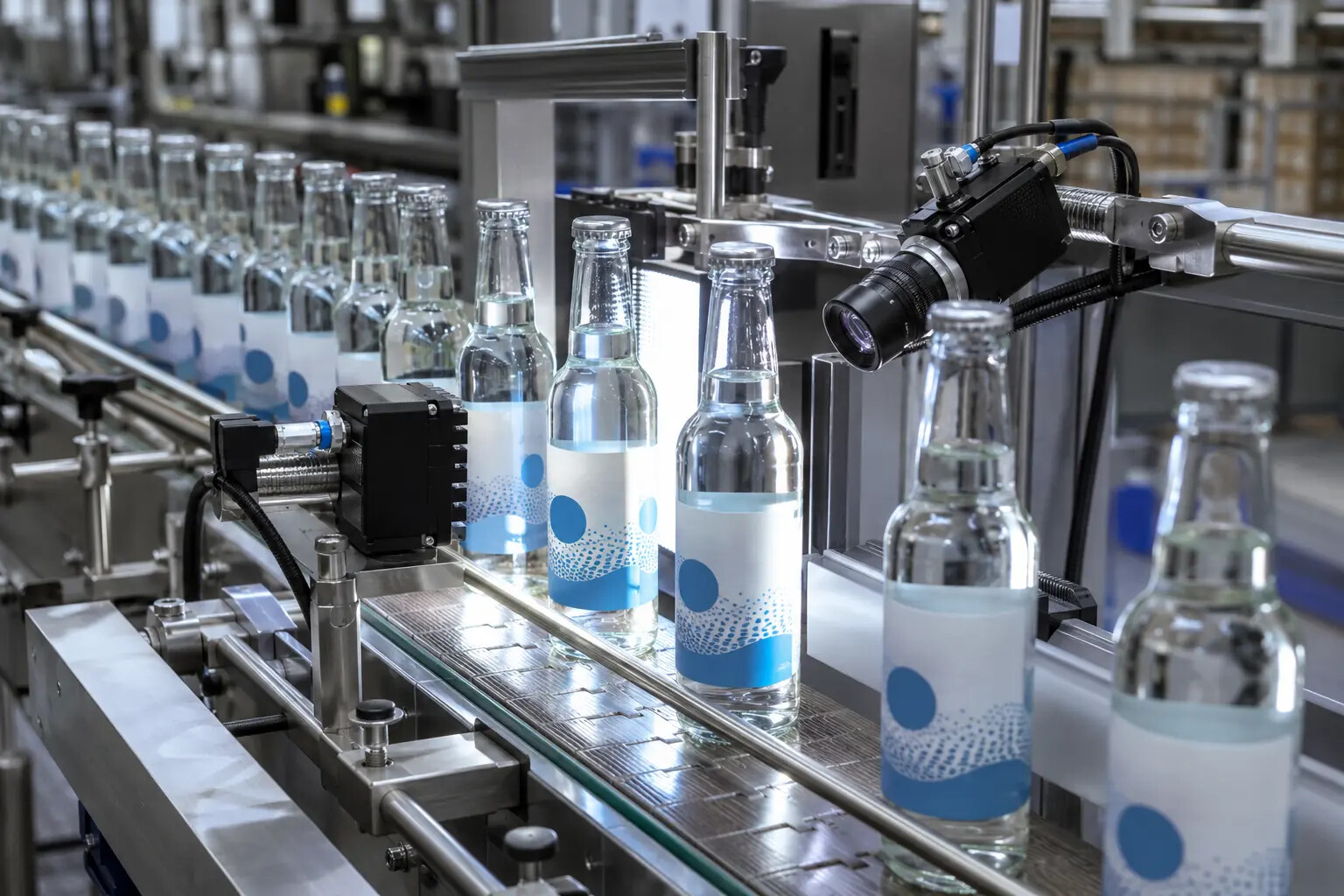
Label identity
Confirm the expected SKU or market label using artwork features, codes, OCR/OCV or recipe-controlled references.
Verify the expected label, artwork, variable data and position on bottles, cartons and other packs, then reject failures with traceable production logic.
A pharmaceutical label inspection system uses controlled machine vision to confirm that the expected label is present and correctly applied, and that agreed identity and variable-data features—such as UDI, GTIN, serial number, lot and expiry—match the current product recipe or supplied production data. It can also inspect artwork, position, skew and print legibility before signalling an automatic reject.
The inspection is designed around the approved artwork, data source, smallest character or code, pack presentation, line speed and documented reject strategy.
Confirm the expected SKU or market label using artwork features, codes, OCR/OCV or recipe-controlled references.
Read GS1 DataMatrix, linear barcodes or QR codes where applicable, and compare decoded data with the expected record.
Inspect human-readable lot, serial and expiry text using OCR or OCV, subject to print quality and validated limits.
Check presence, position, skew, folds, visible damage and front-to-back pairing on suitable pack formats.
Verify selected logos, warnings, symbols, language panels and colour features at a proven production resolution.
Track a failed pack to a pusher, diverter, air blast or other device, with confirmation and bin monitoring options.
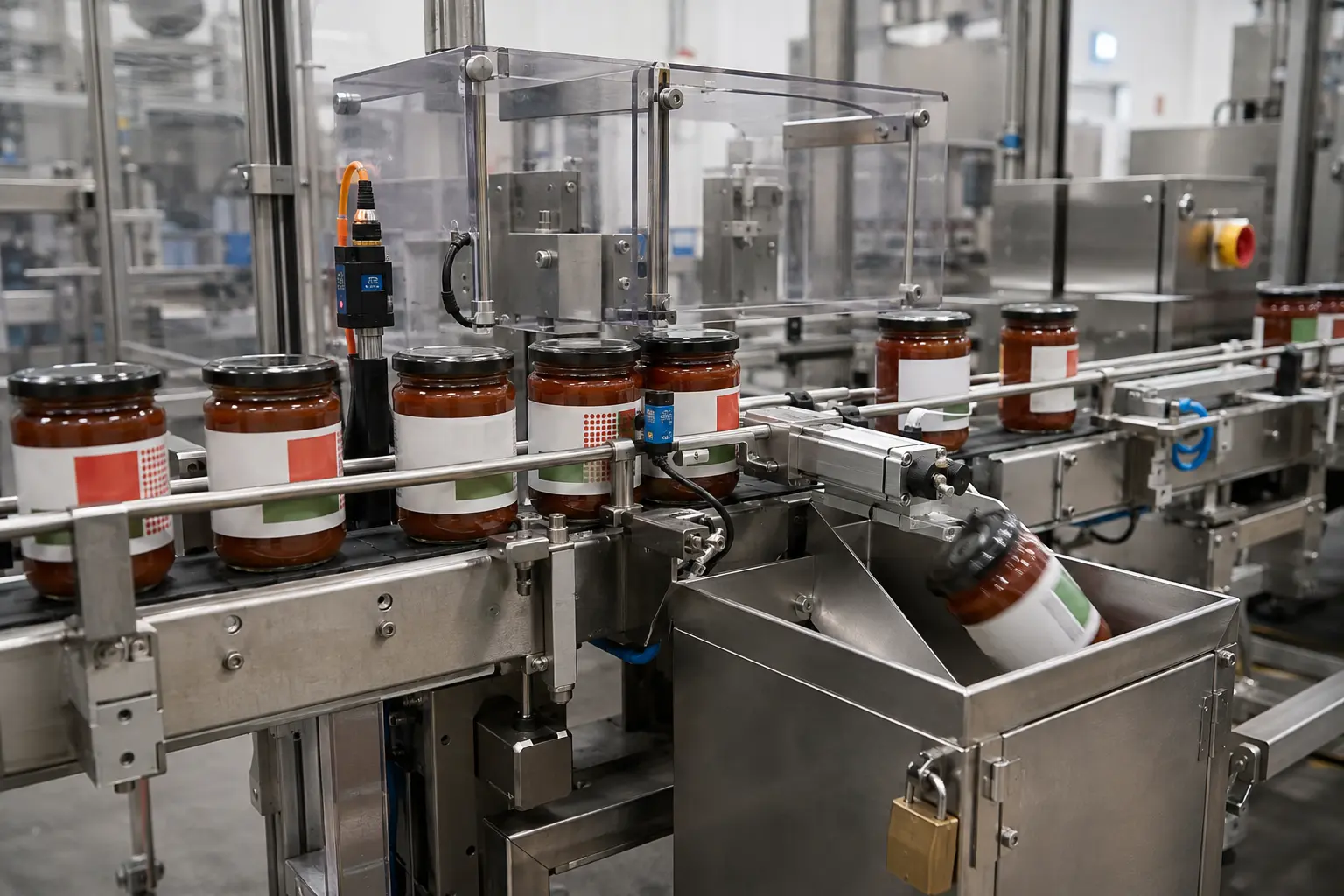
Depending on the user requirement specification, a project can include:
21 CFR Part 11 applies to the configured electronic-record system and the way it is validated and operated. We can scope technical controls, records and documentation support, but the final compliance position remains application- and process-specific.
| Project element | What may be included | What must be agreed |
|---|---|---|
| Functional definition | URS review, functional specification and acceptance criteria | Critical quality attributes, tolerances, data retention and interfaces |
| Technical controls | User roles, recipe control, result records and audit-oriented functions | Record ownership, review workflow and required electronic signatures |
| Testing | FAT/SAT protocols, defect challenge sets and test evidence | Worst-case products, sampling, pass/fail rules and responsibilities |
| Qualification support | Project-specific support for IQ, OQ and PQ activities | Exact documentation package and customer validation plan |
Regulatory context: see the US FDA’s official Part 11 scope and application guidance. This page is engineering information, not legal or regulatory advice.
Yes, where the camera resolution, optics, lighting and selected software support the required symbol. Decoded GS1 DataMatrix, linear barcode or other code data can be compared with the expected recipe, scanner input or production database.
No. Compliance applies to the configured electronic-record system and operating process, not a standalone camera. Controlled access, records and audit-oriented functions can be included, but the precise requirements and validation scope must be agreed for the application.
Yes, project-specific documentation and test support can be scoped. This may include specifications, FAT/SAT evidence, challenge sets and support for IQ, OQ or PQ activities. Required deliverables should be defined in the URS and quotation.
Yes. The failed item can be tracked to a suitable reject device, with reject confirmation, secure-bin monitoring and line-stop logic available where the agreed risk assessment requires them.
Include target line speed, code formats, data interfaces, retention requirements, reject philosophy and the smallest critical print feature.