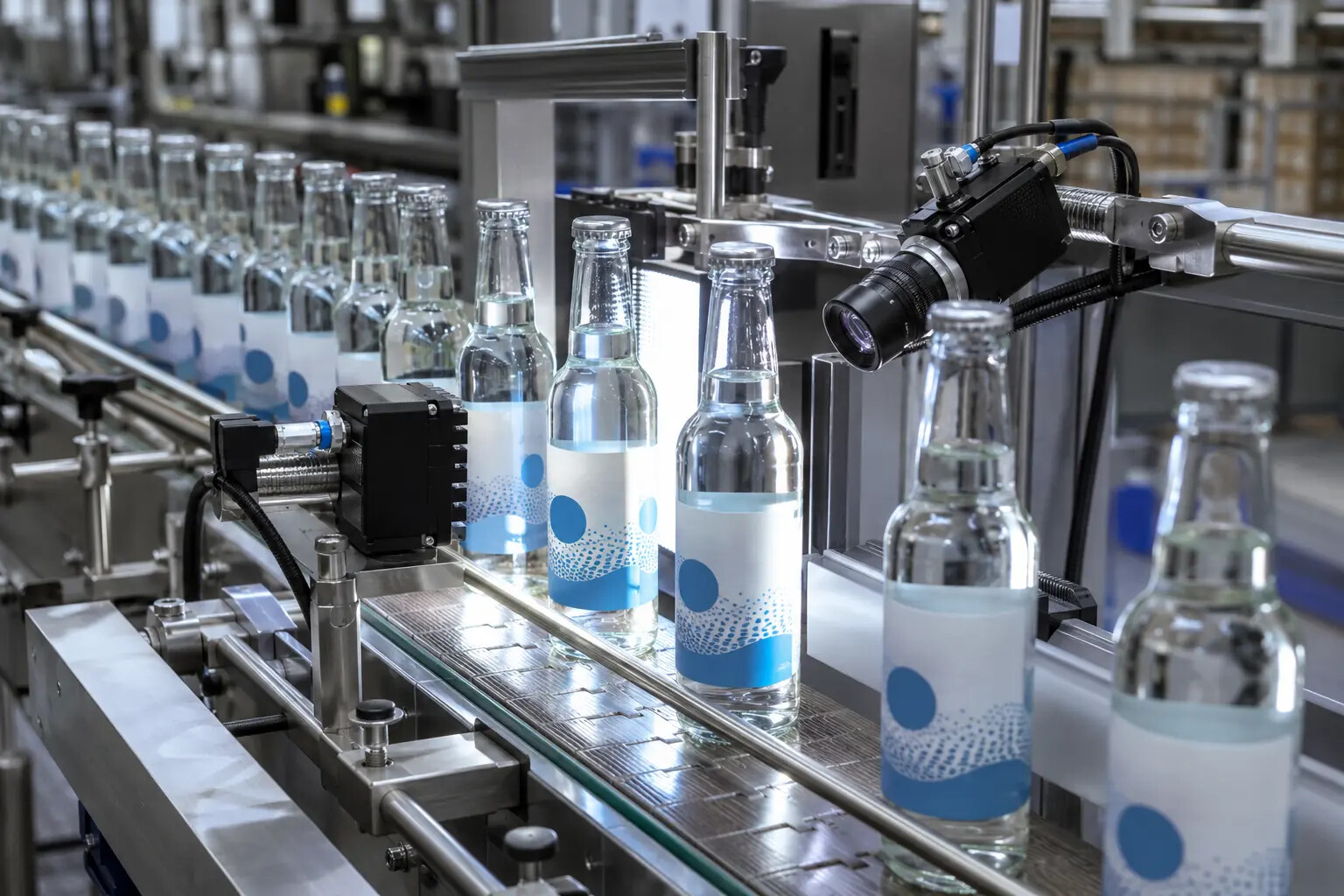
Label identity
Compare distinctive artwork, product name, code or colour features with the recipe.
Verify the expected approved label, critical pictogram regions, product identity and variable codes before containers leave the production line.
Machine vision can confirm that the expected approved hazard label is present and can inspect defined visible features such as pictograms, signal areas, product identifiers, label orientation and readable codes. It does not classify the chemical or decide which statements are legally required; the manufacturer’s controlled regulatory process supplies the approved label and expected production data.
Compare distinctive artwork, product name, code or colour features with the recipe.
Check that agreed hazard pictogram and information areas are visibly present.
Measure position, skew and orientation on bottles, tubs, drums and packs.
Inspect batch, lot, barcode, Data Matrix or other defined production codes.
The Health and Safety Executive provides the authoritative overview of chemical classification, labelling and packaging in Great Britain. Oxford Vision Systems verifies observable approved-label features; it does not provide chemical classification.
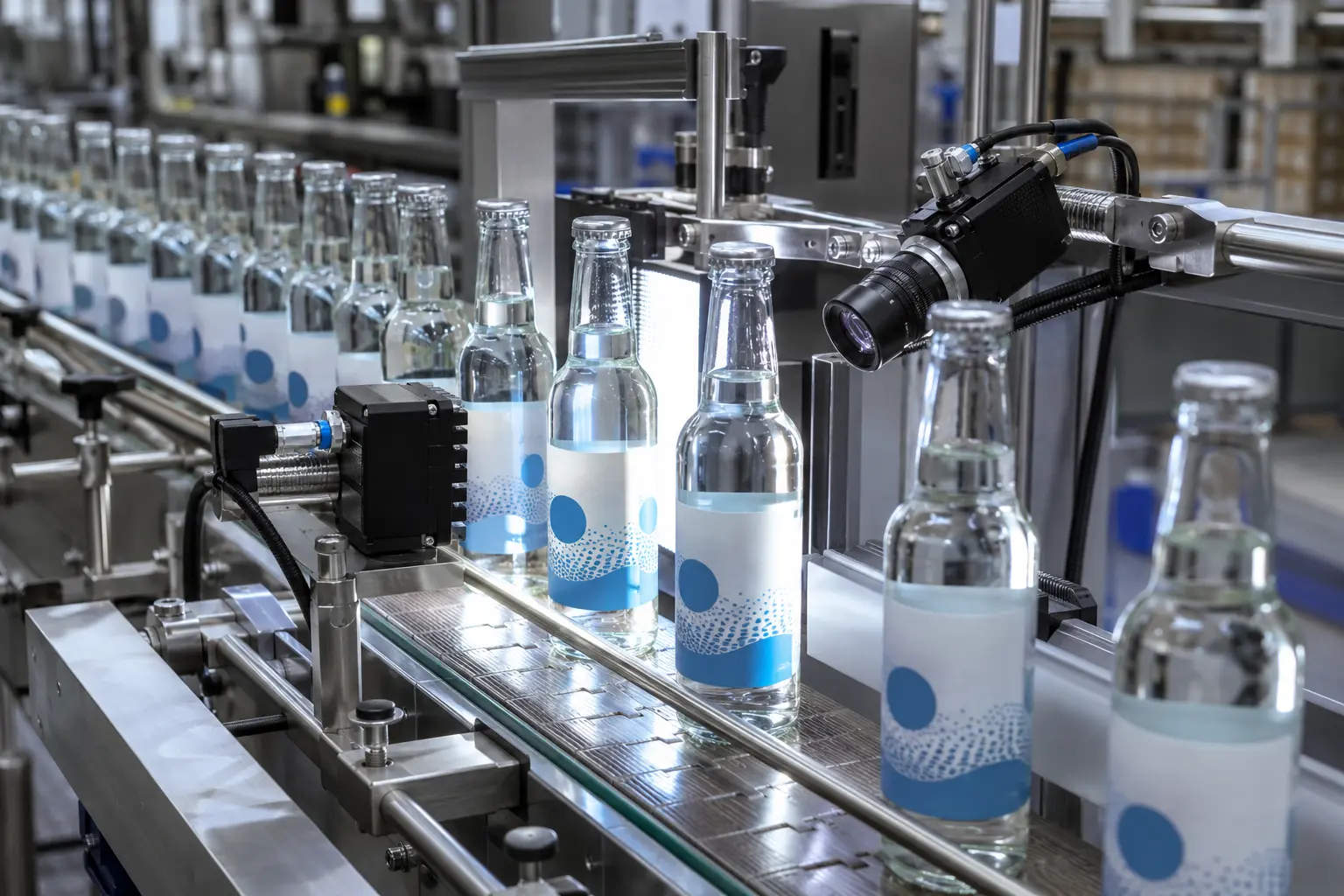
Chemical packaging environments can introduce dust, moisture, fumes, washdown, large containers or hazardous-area constraints.
A correct label applied to the wrong container is still a production failure. Distinctive features and the recipe-selection process must be designed together.
Maintain the controlled artwork and expected product data outside the vision system.
Activate the correct inspection recipe through the agreed line-clearance process.
Compare each visible label with the active reference and contain mismatches.
It can inspect defined visible text or artwork regions when resolution and print consistency allow, but it does not replace regulatory approval of the label content or chemical classification.
Yes, selected pictogram regions can be compared with the active approved reference when they are visible at sufficient size and contrast.
Possibly, but the field of view, camera position, handling and reject method can differ greatly. The full size range must be included in the layout and trials.
Only after the site’s hazardous-area classification and equipment requirements are defined. Suitable components, enclosure, wiring and responsibilities must be engineered specifically for that environment.
We will assess visible identity features, critical regions, line presentation, environment, controls and failure handling.