
Camera coverage
One face, front and back, or a full circumference determines camera count and mechanical access.
Understand the engineering choices that determine price, then provide the right production information for an accurate, comparable quotation.
A dependable price requires the application to be defined. Cost changes with the number and resolution of cameras, label coverage, line speed, product presentation, inspections required, reject mechanism, PLC or database interfaces, guarding, installation and documentation. A single presence view and a validated multi-camera 360° system are fundamentally different projects, so Oxford Vision Systems prices against production evidence rather than publishing a misleading package figure.
This comparison is a scoping guide, not a fixed price list. Sample trials may move an application between levels.
| System level | Typical scope | Main price drivers |
|---|---|---|
| Single-view inspection | Presence, gross position or one artwork feature on an oriented pack | Resolution, field of view, trigger and lighting |
| Front-and-back inspection | Two labels, correct pairing, position and skew | Two-sided access, orientation, camera count and handling |
| 360° multi-camera inspection | Wraparound coverage on bottles or jars | Number of views, optics, rotation, reflections and image processing |
| OCR and code verification | Date, lot, serial, barcode, QR or Data Matrix matched to expected data | Character size, print variation, data source and communications |
| Regulated or validated project | Controlled access, records, test protocols and qualification support | URS, documentation, data retention, interfaces and acceptance evidence |
The least expensive reliable solution is the one that meets the real inspection risk without adding unnecessary coverage or complexity.
One face, front and back, or a full circumference determines camera count and mechanical access.
Small text, fine artwork defects and compact codes need more pixels, suitable lenses and stable focus.
Higher throughput affects exposure time, illumination, processing, tracking and reject timing.
Unstable, rotating, touching or mixed-height packs may need guides, spacing or controlled transport.
Presence is simpler than artwork comparison, OCR, OCV, barcode decoding and data matching.
Product size, speed and conveyor layout determine the device, guarding and confirmation sensors.
PLC, printer, scanner, recipe, database and reporting interfaces add engineering and testing.
Regulated projects may require specifications, protocols, challenge sets and qualification support.
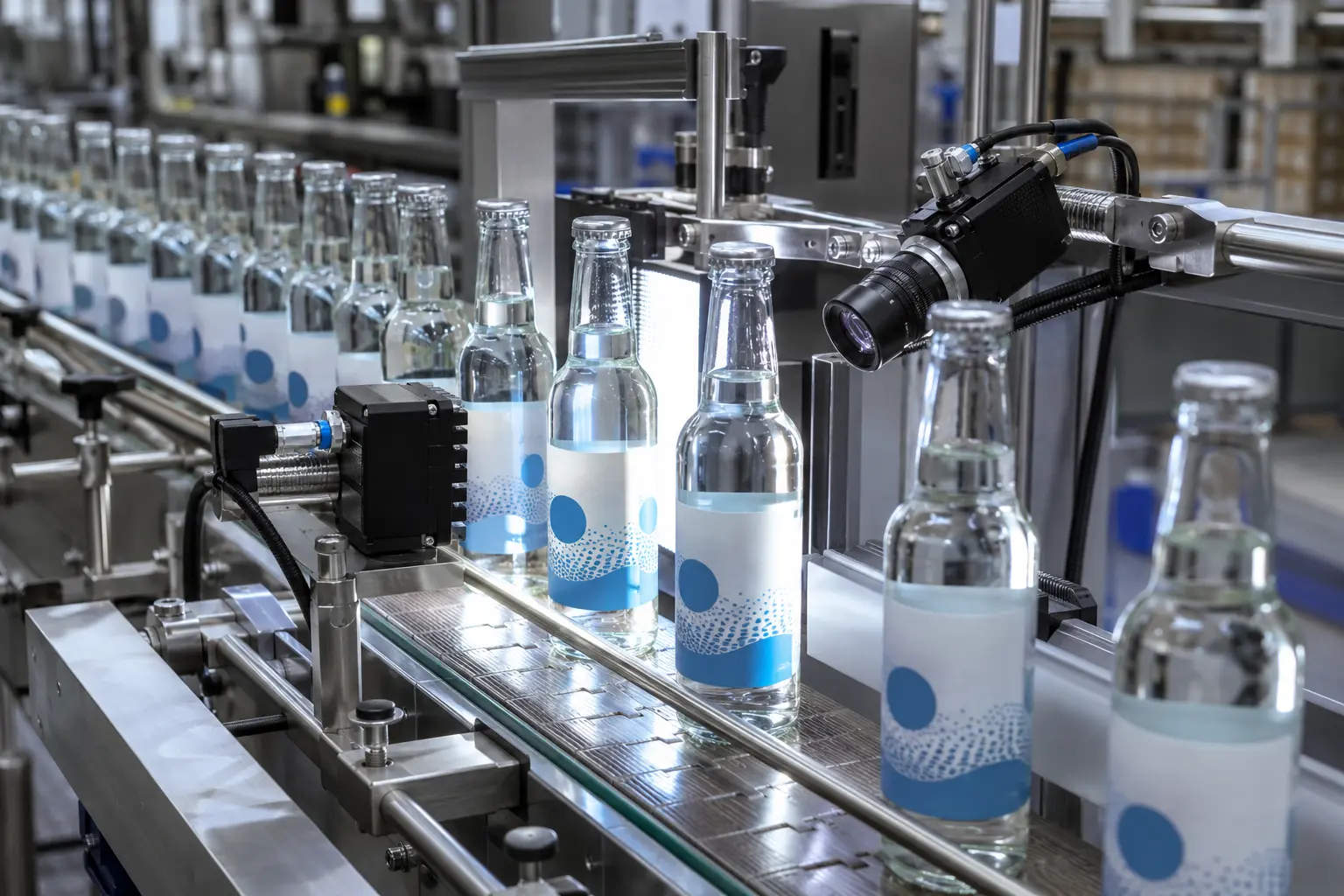
A retrofit can reduce mechanical work, but only when the conveyor provides enough space, stable presentation, suitable triggering and a safe reject position. A self-contained inspection station can be better when handling, guarding or changeover must be controlled.
| Route | Potential advantage | Check before budgeting |
|---|---|---|
| Retrofit to existing conveyor | Uses installed transport and controls where suitable | Space, vibration, pack stability, electrical interface and safe reject distance |
| Standalone inspection station | Purpose-designed lighting, guarding, handling and reject control | Footprint, line transfer, utilities, access and integration responsibility |
Consider total project value, not hardware alone: avoided rework and waste, reduced manual checking, faster investigation, recall-risk reduction and protection of customer confidence. Savings depend on your actual defect rate, throughput and cost of escape; no generic return-on-investment figure is assumed.
There is no reliable one-size price. Camera coverage, resolution, inspection complexity, speed, handling, rejection, controls, installation and documentation must be defined first. Send production information and samples for a tailored quotation.
Often yes. A site survey checks space, guarding, product stability, trigger and encoder arrangements, reject distance, controls interfaces and installation access before the retrofit is confirmed.
Camera count and resolution, full-circumference coverage, variable-data verification, difficult product handling, high-speed rejection, data integration and regulated documentation are common major drivers.
It can be included, but it is specified for the product, speed, conveyor, failure mode and required confirmation level. Separating the scope makes quotations clearer and avoids selecting an unsuitable generic reject device.
The scope and any charge are agreed before work begins. An initial review may use photographs, videos, artwork and samples; more extensive feasibility trials are quoted when required.
Oxford Vision Systems will identify the minimum practical camera coverage, handling, controls and rejection required for your application.